Upcoming technologies
· When filament runs out, the filament sensor can detect it and show alert;
· HD camera built in Flashforge 3D printer for remote monitoring;
· It can be connected with Wi-Fi or Ethernet for remote control;

Here are some applications of 3d Printers-
- Prototyping: 3D printing is commonly used to create prototypes of products and parts. It allows designers and engineers to quickly iterate and test their designs before mass production, saving time and costs.
- Manufacturing and Production: 3D printing is increasingly being adopted for small-scale production of customized or low-volume parts, reducing lead times and enabling on-demand manufacturing.
- Aerospace: The aerospace industry uses 3D printing to produce lightweight and complex components, leading to improved fuel efficiency and performance in aircraft and spacecraft.
- Healthcare and Medicine: 3D printing has revolutionized the medical field, enabling the creation of patient-specific medical implants, prosthetics, anatomical models for surgical planning, and even human tissue and organs.
- Automotive: The automotive industry utilizes 3D printing for rapid prototyping, customized parts, and tools. It allows for the creation of lightweight structures and optimized designs.
Augmented Reality (AR):
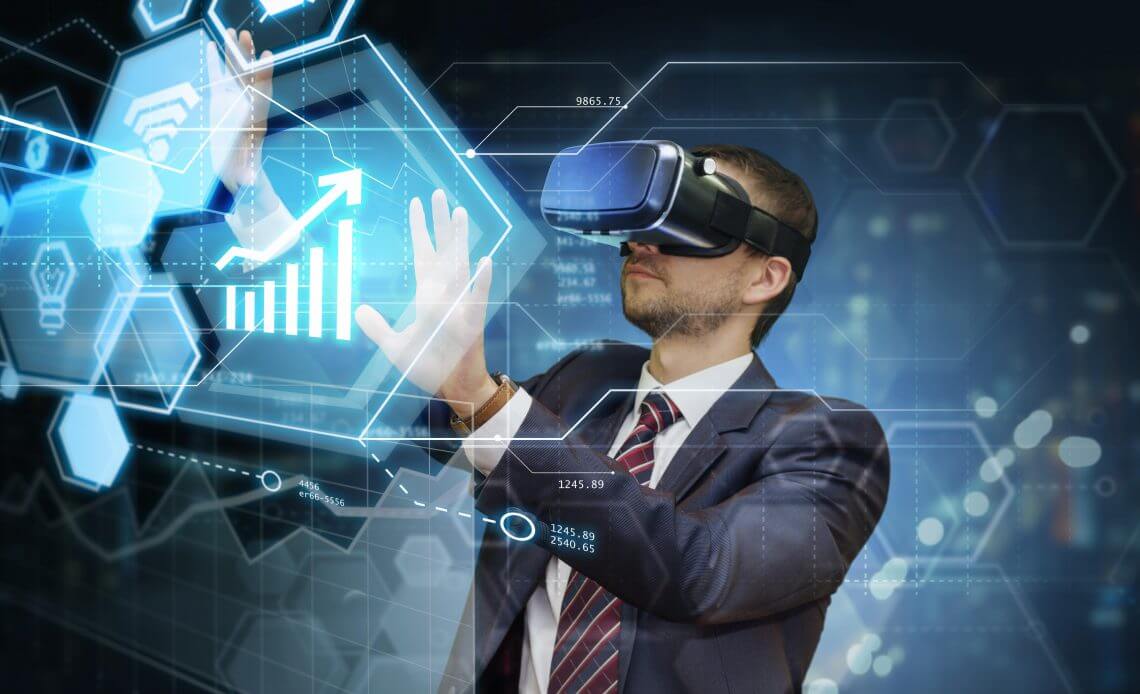
Definition: AR overlays digital information, such as images, videos, or 3D objects, onto the real world. It enhances the real-world environment by adding virtual elements to it.
Interaction: AR is typically experienced through devices like smartphones, tablets, or AR glasses. Users can interact with both the real and virtual elements simultaneously.
Examples: Popular AR applications include Pokemon Go, which places virtual creatures in real-world locations, and AR navigation apps that provide real-time directions by overlaying arrows and street names on your smartphone's camera view.
Use Cases: AR finds applications in fields like gaming, education, retail (virtual try-on), healthcare (surgical visualization), and maintenance and repair (providing real-time instructions).
Here are some key aspects of robotics and automation:
Industrial Automation:
- In manufacturing and industrial settings, automation involves the use of robots and automated systems to streamline production processes. This can include tasks like assembly, welding, painting, and quality control.
- Industrial robots are designed to work alongside human workers in collaborative settings, enhancing productivity and efficiency while ensuring safety.
- Process Automation:
- Process automation involves the use of software and systems to automate repetitive and rule-based tasks within an organization. This can include data entry, document management, and workflow automation.
- Robotic Process Automation (RPA) is a subset of process automation that uses software robots to mimic human actions in software systems.
Robotics and automation offer a wide range of benefits across various industries and sectors. These technologies have the potential to transform businesses and processes, leading to increased efficiency, productivity, and overall competitiveness. Here are some of the key benefits of robotics and automation:
- Increased Productivity: Robots and automated systems can work around the clock without fatigue or breaks, leading to higher production rates and increased output.
- Improved Quality and Precision: Automation can perform repetitive tasks with incredible accuracy, reducing errors and inconsistencies in manufacturing and other processes.
- Cost Reduction: Automation can lead to significant cost savings over time by reducing labor costs, minimizing material waste, and optimizing energy consumption.
- Enhanced Safety: Dangerous or hazardous tasks can be performed by robots and automation systems, reducing the risk of workplace injuries and improving worker safety.
Comments
Post a Comment